
Dental Bridge
Missing teeth can make it difficult to eat and speak properly, impacting your quality of life. A dental bridge can fill the gap caused by one or more consecutive missing teeth, restoring the function and appearance of your smile. Learn how the dentists at Thornton Dental Associates, P.C. in Washington, DC, can restore your smile with a dental bridge.
What Is a Dental Bridge?
There are two types of bridges: traditional dental bridges and implant-supported bridges. Both types are made up of anchoring teeth at either end of the bridge and the artificial teeth between them, called pontics.
Traditional Bridge
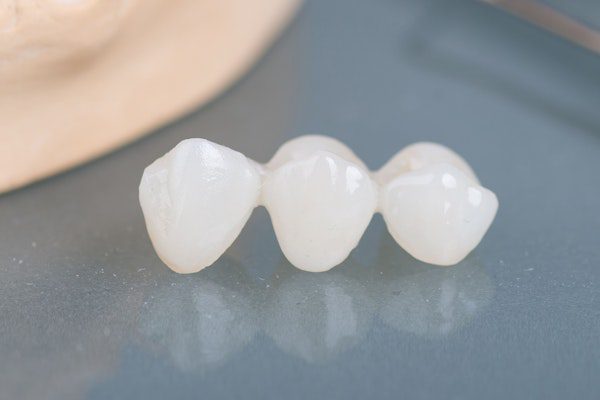
A traditional bridge is supported by dental crowns placed over the two natural teeth at either end of the bridge. These crowned teeth are called abutment teeth. The abutment teeth support the pontics that replace the missing teeth.
Implant-Supported Bridge
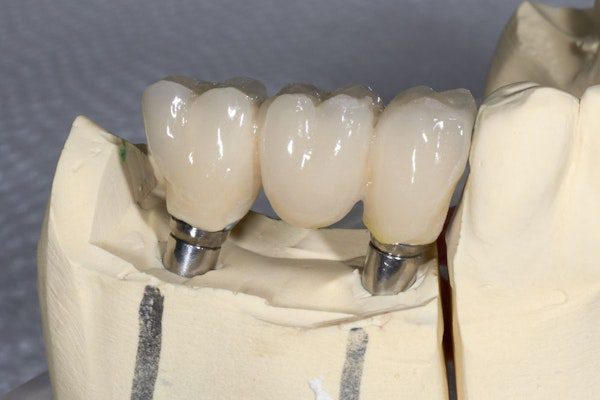
A dental bridge can also be implant-supported, consisting of two dental implants that support the crowns and pontics. Implants provide stimulation to the jawbone to prevent the jawbone atrophy that can occur after tooth loss.
Benefits of a Dental Bridge
Restored Function
Missing teeth can affect your ability to eat and speak properly. A dental bridge can restore your oral function and allow you to once again eat the foods you love.
Balanced Bite
Even a single missing tooth can cause you to adjust how you chew. A dental bridge can balance your bite and allow you to chew more evenly, thus reducing uneven wear on your natural teeth.
Restored Appearance
Missing teeth can be embarrassing. A dental bridge blends seamlessly with your natural teeth to fill the gaps and restore the appearance of your smile.
Candidates for a Dental Bridge
-
Good Oral Health
If you have existing gum disease or tooth decay, it will need to be treated before dental bridge placement. This ensures a healthy foundation for your new restoration.
-
Good Bone Density
For dental implants, sufficient bone material is required. If you suffer from bone atrophy, bone grafting may be needed before implant placement.
Don't Live With Tooth Loss
Request a consultation at our
Washington, DC, dental practice today
Tooth loss is more common than you may think, but that doesn't mean you have to suffer. Our dentists, Dr. Will Thornton and Dr. Nathan Van der Linden, are experienced in a variety of restorative procedures to help restore your oral function and improve your quality of life. Our dentists continually study advancements in the field of dentistry to provide the most advanced and effective care possible.
Don't wait. Get the dental care you need by contacting us online or calling us at:
(202) 293-5805

Happy Washington, DC, Patients
5-Star Reviews

Scott Cooper
2022

Best dentist and staff in DC! Been going for 15-years now and have always left smiling!

Alissa Swango
2022
I am a new patient and was referred to this office by a friend. Since the very first intake call, I have been unexpectedly over- impressed by this dental office. I have never once had a reason to say that ever in my life.
The Dental Bridge Treatment Process
The treatment timeline will vary depending on which type of dental bridge you need. If you choose an implant-supported bridge, the implants will need about three to six months to fuse to the jawbone before your dental bridge restoration can be placed. If you require preparatory treatment for issues such as gum disease, this can add to your treatment timeline as well.
1
Consultation
During your consultation at our Washington, DC, dentistry practice, your dentist will examine your mouth and discuss your oral health history to determine if a dental bridge is right for you. For implant placement, we will refer you to one of our trusted oral surgeons, and our dental practice will handle the restoration.
2
Tooth Prep
For traditional bridges, the anchoring teeth are prepped to prepare for your new restoration. Your dentist will reshape the teeth to allow your dental bridge to fit properly and securely.
3
Impressions
4
Fabrication
Your impressions will be sent to our trusted lab. It typically takes about two weeks for your bridge to be crafted. Once your dental bridge is done, it will be sent back to our Washington, DC, dental practice.
5
Placement
Once your dental bridge is ready, you will have an appointment for placement. For traditional bridges, your dentist will bond the crowns to the anchoring teeth. For implant-supported dental bridges, your dentist will place the abutments and secure the dental bridge to the dental implants. You can now enjoy your new smile.
Have more questions about dental bridge treatment? Send us a message.
Take a Look at Traditional Dental Bridge Placement
The anchoring teeth are reshaped to allow the dental crowns to fit properly. These crowns support the artificial tooth or teeth.
See How an Implant-Supported Bridge is Placed
An implant-supported bridge involves attaching two dental crowns to dental implants, which support the pontics between them. Dental implants provide stimulation to the jawbone to prevent atrophy and provide superior stability for your dental restoration.
Maintaining Your Dental Bridge
With proper care, your dental bridge can last 15 years or more. Our restorations are made of durable, quality materials that are designed to withstand years of use. Whether you have a traditional dental bridge or an implant-supported bridge, here are a few things to keep in mind to maintain your beautifully restored smile for years to come.
-

Maintain Good Oral Hygiene
Brush your teeth with a soft bristle brush for at least two minutes and floss twice a day to maintain good oral hygiene.
-

Be Mindful of Hard or Sticky Foods
Hard foods such as ice or sticky foods like caramel can cause damage to your dental bridge. Minimize hard or sticky foods or chew on the side without a restoration to protect your dental bridge.
-

Visit Your Dentist Regularly
Regular dental exams and cleanings can help ensure optimal oral health. This can help your dental bridge last for years to come.
Financing and Insurance
Our Washington, DC, dentistry practice accepts most insurance providers and plans, which can help reduce or even eliminate your out-of-pocket costs. For those without insurance, or to help finance costs not covered by insurance, we offer CareCredit®, which can help break your treatment costs into affordable monthly payments. Contact us today to learn more about insurance financing options.
"Thorough, informative, knowledgeable, and trustworthy."
More Satisfied Patients

Cecilia Papariello
2022
I switched here after a bad dentist experience. Truly the best dentist I’ve ever had, and the hygienists are so gentle and kind! Everyone is very patient and takes time with you to explain options.

Cody Barry
2022
Great atmosphere from the moment I walked in. The front desk associates were welcoming and friendly. Dr. Van der Linden was kind, thorough, informative, knowledgeable, and trustworthy.